Introduction
When it comes to selecting roofing materials, homeowners and builders face a tough choice: prioritize cost, durability, weight, or aesthetics. Traditional options like asphalt shingles, clay tiles, and concrete tiles have long dominated the market, but synthetic resin roof tiles—typically made with ASA/PVC double-layer co-extrusion—are emerging as a game-changer. They combine lightweight design, exceptional weather resistance, and low maintenance, outperforming rivals in key categories. Let’s break down their performance, advantages, and why they’re worth considering.
Core Properties of Synthetic Resin Roof Tiles
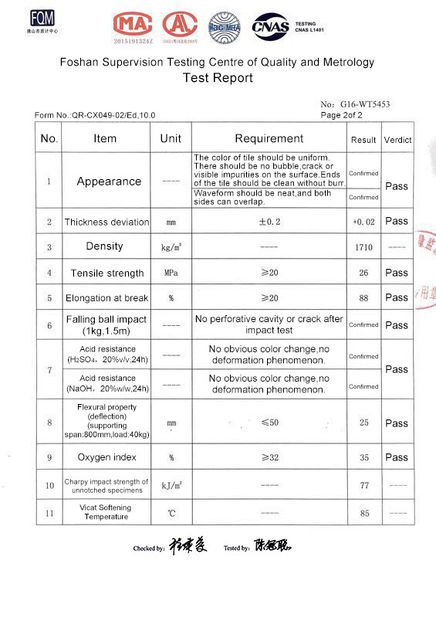
Resin tiles are engineered for resilience. Key specs include:
• Weight: ~6 kg/m² (1/6 that of clay tiles, 1/10 that of concrete tiles)
• Fire rating: B1难燃 (flame retardant, per GB8624-2006)
• Service life: 30+ years with 10-year color guarantee
• Thermal conductivity: 0.325 W/m·K (far lower than clay/concrete tiles)
• Impact resistance: 1kg steel ball dropped from 3m causes no cracks
• Corrosion resistance: Withstands acid, alkali, salt; ideal for acid rain/coastal areas
Side-by-Side Comparison: Resin Tiles vs. Traditional Options
Let’s visualize how resin tiles stack up against asphalt shingles, clay tiles, and concrete tiles.
Comparison Chart
Factor Synthetic Resin Tiles Asphalt Shingles Clay Tiles Concrete Tiles
Weight (kg/m²) ~6 ~100 35–50 40–60
Service Life 30+ years 20–30 years 50–100 years 30–50 years
Fire Resistance B1 (flame retardant) Class A Class A Class A
Corrosion Resistance Excellent (acid/alkali/salt-resistant) Poor (prone to granule loss/curling) Excellent (but vulnerable if glaze cracks) Good (prone to surface erosion)
Impact Resistance Excellent (hail/ice-resistant) Fair (damaged by hail) Good (brittle, cracks easily) Good (brittle, cracks easily)
Thermal Insulation Superior (low conductivity) Moderate Excellent Moderate
Maintenance Minimal (self-cleaning) High (repairs needed) Low Moderate
Aesthetics Diverse colors (red, gray, blue, green) Limited (neutral tones) Rich terracotta hues Stone/terracotta textures
Installation Difficulty Easy (30% faster) Easy Hard (requires structural reinforcement) Moderate
Eco-friendliness Recyclable, no asbestos Contains asphalt/fiberglass Sustainable (natural clay) High carbon footprint
Comparison Chart
Factor Synthetic Resin Tiles Asphalt Shingles Clay Tiles Concrete Tiles
Weight (kg/m²) ~6 ~100 35–50 40–60
Service Life 30+ years 20–30 years 50–100 years 30–50 years
Fire Resistance B1 (flame retardant) Class A Class A Class A
Corrosion Resistance Excellent (acid/alkali/salt-resistant) Poor (prone to granule loss/curling) Excellent (but vulnerable if glaze cracks) Good (prone to surface erosion)
Impact Resistance Excellent (hail/ice-resistant) Fair (damaged by hail) Good (brittle, cracks easily) Good (brittle, cracks easily)
Thermal Insulation Superior (low conductivity) Moderate Excellent Moderate
Maintenance Minimal (self-cleaning) High (repairs needed) Low Moderate
Aesthetics Diverse colors (red, gray, blue, green) Limited (neutral tones) Rich terracotta hues Stone/terracotta textures
Installation Difficulty Easy (30% faster) Easy Hard (requires structural reinforcement) Moderate
Eco-friendliness Recyclable, no asbestos Contains asphalt/fiberglass Sustainable (natural clay) High carbon footprint

Visual Comparison
1. Weight Comparison: A side-by-side photo showing a worker easily lifting a resin tile sheet vs. struggling with a clay/concrete tile. Caption: “Resin tiles are 1/6 the weight of clay tiles—no need for extra structural support!”
2. Weather Resistance Test: A photo of resin tiles (left) with no discoloration after 10 years of UV exposure, vs. faded asphalt shingles (right) and cracked concrete tiles (bottom). Caption: “UV, acid rain, and hail-proof—resin tiles stay vibrant for decades.”
3. Maintenance Shot: A clean resin roof (self-cleaning “lotus leaf effect”) vs. a moss-covered concrete tile roof. Caption: “Zero maintenance for resin tiles vs. regular cleaning for concrete.”
Why Resin Tiles Outperform the Rest
1. Unbeatable Lightweight Design
At just 6 kg/m², resin tiles eliminate the need for costly roof structure reinforcements. Clay and concrete tiles can add 5–10x more weight, increasing construction time and expenses. For retrofits or older homes, resin tiles are the only option that avoids structural overhauls.
2. All-Weather Durability
• UV & Heat Resistance: The ASA top layer blocks 99% of UV rays, preventing fading and cracking even in extreme heat (–30°C to 70°C).
• Hail & Wind Protection: Impact resistance ensures resilience against hail storms, while lightweight design reduces wind uplift risk.
• Corrosion-Free: Unlike asphalt shingles (which degrade in moisture) or metal tiles (which rust), resin tiles resist acid rain and salt spray—perfect for coastal or industrial areas.
3. Low Maintenance, High Savings
Resin tiles have a self-cleaning surface (dirt slides off in rain) and require no repainting or sealing for 30+ years. Traditional tiles demand regular upkeep: asphalt shingles need repairs for curling/granule loss, clay/concrete tiles need moss removal and crack sealing. Over 30 years, resin tiles cut maintenance costs by 70%+.
4. Energy Efficiency & Comfort
With a thermal conductivity 1/300 that of clay tiles, resin tiles keep interiors 3–5°C cooler in summer and retain heat in winter. This reduces AC/heating bills—critical for energy-conscious homeowners.
5. Versatile Aesthetics
Resin tiles mimic the look of natural slate, clay, or stone but in more colors (red, gray, blue, green, etc.). They suit modern, traditional, and tropical architecture, making them ideal for villas, guesthouses, and “slope reform” project
Real-World Applications
Resin tiles shine in:
• Coastal/Acid Rain Zones: Corrosion resistance protects against salt and acid erosion.
• Retrofits: Lightweight design allows overlay on old roofs (no demolition needed).
• Extreme Climates: Withstands –40°C cold and 70°C heat without warping.
• **Industrial Areas. They blend the best of all worlds: lightweight durability, low maintenance, energy efficiency, and stunning aesthetics. While clay tiles offer longevity and asphalt shingles are cheap, resin tiles solve the flaws of both without major tradeoffs.
For homeowners wanting a roof that lasts, saves money, and looks great, resin tiles are the future. Invest in quality ASA/PVC resin tiles, and you’ll enjoy a roof that performs for decades with minimal effort.
Ready to upgrade? Contact us for free samples and expert installation guidance!


 Your message must be between 20-3,000 characters!